
Do you think of aging as a slow and steady process or more like a speedy ride? You may remember that a while back I mentioned a study that showed humans go through two aging ‘dips’, using millions of data points collected from people between 25 and 70 over two years. While it was a small study compared to those involving hundreds or thousands of people, the findings were based on a large volume of data.
It turns out that we undergo two episodes of accelerated aging, one occurring in our mid-40s, while the other around the age of 60. There is likely another sudden jolt on the aging cruise at around 80, and if you’re tempted to say ‘oh well, by then I probably won’t care much’… I encourage you to reconsider. I get to see many people in their 80s who enjoy life so I am here to tell you that it is possible. (But not a given.)
Okay, so about that mid 40s first dip. That’s when a few parameters change: the way we metabolize lipids (fats), coffee, and alcohol, and we also see the first dramatic signs of skin aging, and less visible, cardiovascular aging. Also, some muscle mass and strength (they decline).
Then around the time we turn 60, the roller coaster does another drop. That’s when we experience changes in how we metabolize carbohydrates, and that’s also when metabolic and cardiovascular conditions may manifest a bit louder. Our immune response changes too (vulnerability increases, and we’re more at risk of getting sick), and our risk of kidney disease increases. Never mind wrinkles, more loss of muscle mass and strength, maybe bone density too.
Okay, that’s a lot to take in and not get discouraged, but as always, there’s more to the story. That’s where you (and I) come in with the well put together plan to reduce the drastic effects. Some are more responsive to our good, consistent intentions than others.
We don’t all age the same way
Interestingly enough, some people age faster than others, meaning that while the signs of aging are present, the slow aging people seem to be at a lower risk of developing chronic conditions associated with aging, including cardiovascular disease and stroke, dementia and other neurodegenerative conditions, type 2 diabetes, and cancer. It turns out that there are over 400 genes associated with aging and frailty in humans. Some are linked to brain aging, others to metabolic aging, or immune response etc. Frailty is often manifested as weakness, due to loss of muscle mass and strength and low levels of cardiovascular fitness. This also means weak grip strength, which is problematic, as grip strength is one indicator of longevity and overall good health in older age. Another sign is slow walking, and lower levels of household and other activities involving various levels of physical strength. Frailty is also associated with a higher risk of dementia.
So… the good news
There is a lot that we can do even when we carry certain genes associated with frailty (to be fair, this part is mostly unknown). A few suggestions to consider (and apply) that can reduce the risk of frailty:
- Move every day. At least 20 minutes a day of walking (I encourage you to double it after a while), and move briskly for at least part of that walk. Go uphill often, and don’t be afraid of huffing and puffing. That’s how you build aerobic fitness. And strengthen your muscles with bodyweight exercises, or weights – make it a twice a week habit. Your older self will be grateful for it.
- Take the stairs whenever you have the chance, and same for carrying your groceries (baskets, shopping bags). Your core (which is more than the abs) is getting stronger with each bout of effort, and that means a lower risk of falling and also lower risk of frailty as you get older.
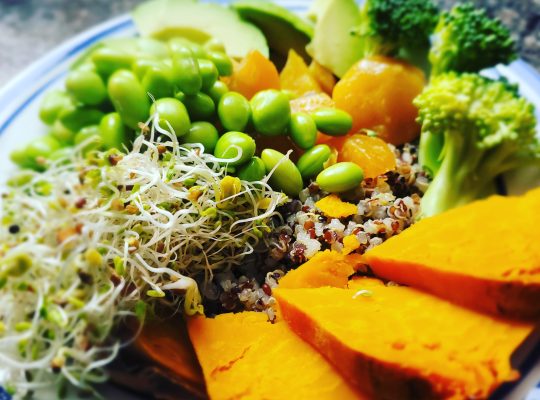
- Eat to sustain your body: consume enough protein (plant-based, or mix of plant and animal protein, based on preference), and supplement with protein powder if you don’t manage to get enough through diet. Complement with healthy fats and complex carbs, and prioritize fibre for gut health and a smooth digestion.
- Drink enough water (please refer back to last week’s newsletter on kidney health).
- Socialize and keep your brain busy through learning.
- Reduce the risk of communicable diseases by getting vaccinated and as it happens, we know now that certain vaccines also reduce the risk of dementia and Alzheimer’s (shingles and flu).
All this to say, if you feel like something is challenging as you get older, don’t just settle for not doing it. Do less, reduce intensity but keep challenging yourself. Take care of yourself with healthy lifestyle habits, sleep included (more on this soon), so you have enough stamina to do things. Make frailty a less likely option for your future self.